Muddy Winter Walks: 7 Common Mistakes and How to Avoid Them
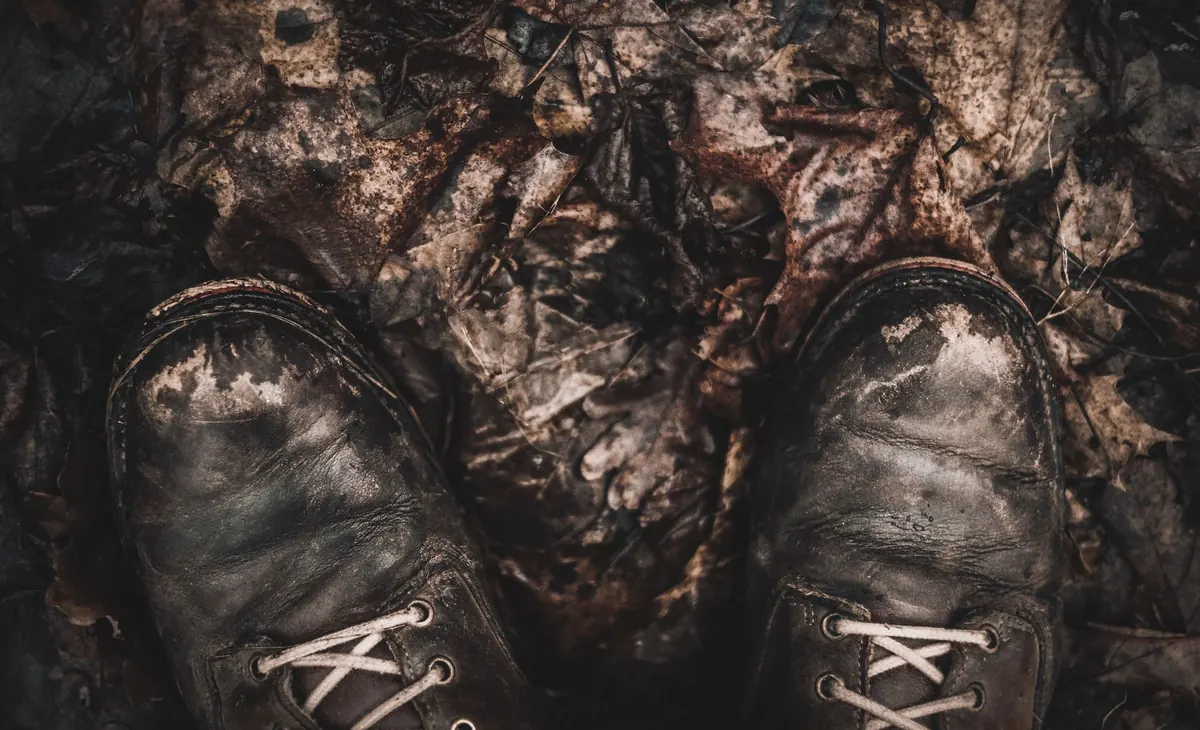
Somewhere on the last mile of a wet January walk, the pleasure usually runs out. The path has gone from gravel to something the colour and consistency of chocolate mousse, the dog is brown to the shoulders, and every step ends with a small wet sucking sound. None of that is a problem in itself. Mud is what woodland does in winter, and a bit of it is half the fun.
The walks that go badly wrong are rarely ruined by the weather. They are ruined by five or six small decisions made earlier — in the hallway, over the map, at the moment you decided to trust instinct rather than boots. Here are the mistakes that turn a wet day out into a grim one, and the fixes that cost nothing.
1. Buying boots for the label instead of the tread
Waterproofing is not grip. Plenty of boots keep water out beautifully and still leave you skating down a clay slope with your arms out like a tightrope walker. The culprit is usually a shallow, closely spaced tread: fine on dry gravel, useless the moment the gaps between the lugs fill with mud, which turns the sole into a smooth rubber slab.
Look instead for deep, widely spaced lugs that shed muck as you lift your foot, and a sole that flexes a little so it can bite into soft ground. If you walk in rubber boots, know their limits: excellent in standing water and deep, level mud, but slick on wet roots and rock, and offering no ankle support on a cambered path. A pair of trekking poles more than makes up for the last part.
Socks matter as much as the boot. Wool or a synthetic blend keeps some warmth when damp; cotton holds water against your skin and turns cold feet into genuinely painful ones. Keep a dry pair in the car for the drive home.
2. Dressing for the rain rather than for the sweat and the mud
Most people over-dress on a wet walk and under-dress the moment they stop. The result is a shirt soaked from the inside, a long climb, then a lunch break in a cold wind with nothing dry to put on. Cotton trousers are the worst offender: they soak up water from the vegetation, gain weight, and hold the cold against your legs for hours.
Wear quick-drying synthetic or wool trousers, and add gaiters over the boot cuff. They look faintly ridiculous and are worth every euro — they keep the mud out of your socks and the worst of the splatter off your calves. Start slightly cool and add layers as you go, not the other way round.
A short list that earns its place in the pack on every wet walk:
- A dry base layer in a sealed bag, for the stop or the drive home
- Light gloves and a hat, even when the forecast is mild
- A small sit mat, so the break does not happen on a wet log
- A flask of something hot, which fixes more moods than any piece of kit
- A rubbish bag for muddy gaiters and boots in the boot of the car
3. Picking a route by distance instead of by drainage
Two walks of the same length can be completely different animals. A track along a ridge, a sandy heath path or a forest road built for timber haulage will drain quickly. A flat loop through a clay valley, a field edge beside a stream, or a path that runs under dense beech for half its length will hold water for days after rain.
Read the map for drainage, not just for shape. Contours tell you where the high ground is. Blue lines tell you where the water wants to be. Dense woodland symbols suggest shade, leaf litter and slow drying. If a guidebook says a route "can be muddy in winter", believe it — that sentence is usually there for a reason.
Build in an escape route as well. On a wet day, a loop with a shortcut back along a forest road is worth more than a slightly prettier circuit with no way out. Walking the second half of a route while tired, wet and watching the light go is its own kind of mistake.
4. Starting too late, then rushing the last mile
Mud slows you down. Not dramatically, but reliably: you pick your line, you shorten your stride, you stop to scrape a kilo of clay off each boot, you take the muddy descent at half your normal pace. A walk that takes two hours in June can comfortably take three in February, and the daylight is already short.
So set a turnaround time before you set off, not a target destination. Check the sunset for the place you will actually be, not for home, because a valley wood can lose the light half an hour early. Carry a headtorch even on a short afternoon walk — the small one that lives in your pack permanently is the one that saves the day.
And tell someone the route and the rough time you expect to be back. In winter this stops being a formality and becomes the sensible thing it always was.
5. Tiptoeing around every puddle
This one is about everyone else's walk as much as your own. When a path gets wet, people drift to the edges to keep their feet dry. The edges are where the vegetation is, so it gets trampled, the path widens, the widened strip becomes bare soil, the bare soil becomes mud, and the mud spreads. Walk the same wood for a few winters and you can watch a tidy single-track become a four-metre swamp.
The fix is mostly mental. Wear footwear you do not mind getting wet, then walk straight through the shallow puddles along the middle of the path, where the ground is already compacted and drained. Step onto stones and roots where they are firm, not where they wobble. Save the careful footwork for the steep, eroded sections where a slide would actually hurt.
6. Getting cold at the one moment you stop
You generate a lot of heat climbing; you lose it fast standing still. The classic winter mistake is to reach the viewpoint glowing, sit down in the wind, and only then notice that your damp shirt has turned into a cold compress. Ten minutes later your hands are useless and the sandwiches are the only thing keeping morale going.
Add the dry layer and the insulated jacket before you stop, not after. Choose a sheltered spot rather than the best view. Sit on the mat, keep the stop short, and keep moving while you eat. If someone in the group is shivering hard, clumsy, or talking nonsense, that is a warning sign rather than a joke: get them out of the wind, into dry layers, and moving again gently. If it does not settle quickly, treat it seriously and seek help.
7. Leaving the mud on the boots, and the tick check until later
Mud left to dry on leather pulls moisture out as it sets, cracks the surface and clogs the breathable membrane. Rinse boots in cold water when you get home — hot water can soften glues — stuff them with newspaper and let them dry slowly, well away from a radiator or stove. Re-proof them now and then according to the maker's instructions. Gaiters get the same treatment, hung rather than balled up in a bag.
Then check yourself over. Mild, damp days suit ticks, and woodland edges and bracken are where they wait. Brush off your clothes outside, then check legs, waist, armpits and hairline in good light. Remove any tick promptly with fine tweezers, straight out without twisting, and note the date. If a rash appears or you feel unwell in the days afterwards, see a doctor and mention the bite.
Before you leave the house
Most of the difference between a good muddy walk and a bad one is made in about ten minutes at home.
- Put on boots with deep tread and wool socks, and leave the cotton at home.
- Pack a dry base layer, gloves, hat, sit mat and a headtorch.
- Pick a route with high ground, a forest track, and a shortcut back.
- Set a turnaround time and tell someone where you are going.
- Put a spare pair of socks and a rubbish bag in the car.
After that, the mud is just part of the walk. Walk through the puddles, keep the stops short, and start home while you still have light and good humour. A wet wood in winter is quiet, green and full of tracks, and it is a great deal more enjoyable when the only thing that is muddy at the end is the dog.

Green Wood vs Dry Wood for Carving: What Beginners Should Know
Green wood carves like butter but moves as it dries; seasoned wood holds detail but fights the blade. Here...

How to Make a Twig Star: A 20-Minute Nature Craft
A quick, reliable method for turning gathered twigs and garden string into a six-pointed star, plus how to...
About Us